Why a Portland bookshop carries the name of a French philosopher, and what's coming for his hundredth birthday.
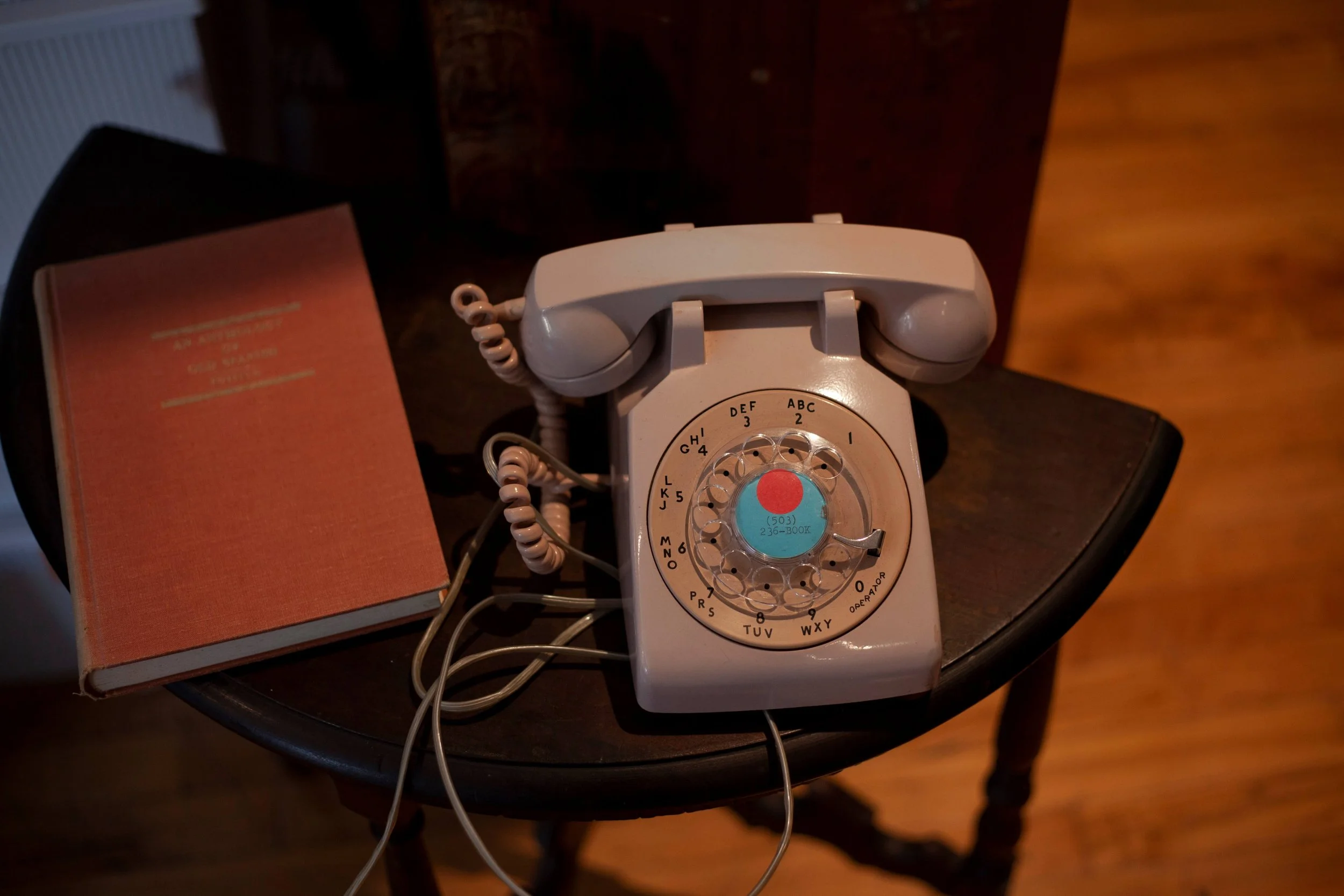
The Name on the Door
Who decides what counts as normal, and how did they get the power to decide it?
Michel Foucault spent his career on that question. He was a French philosopher and historian who wrote about prisons, hospitals, and asylums, not as case studies in reform, but as evidence of how societies build systems that watch, sort, and control people, often in the name of helping them.
Who Foucault Was
He was one of the most widely read thinkers of the twentieth century, part of a generation of French writers, including Roland Barthes and Jacques Derrida, who reshaped how people in the humanities think about language, power, and history. His best known books, among them Madness and Civilization, Discipline and Punish, and The History of Sexuality, are still assigned, still argued over, and still read by plenty of people with no academic reason to bother.
The Name
Most people who walk past 715 SE Grand Ave in Portland read the sign twice. Foucault isn't the name you expect over a bookshop door. It usually rings a bell before it means anything specific: a syllabus, a half-remembered lecture, a name filed under theory. That's often enough to make someone slow down and ask what kind of place this is. The answer is simple: Mother Foucault's Bookshop takes its name from him.
It's not a neutral choice. That question, and who has the power to answer it, sat at the center of everything Foucault wrote. Naming a bookshop after him turns it outward, onto the reader rather than the shelf. Mother Foucault's holds room open, in several languages, though not every language, for readers chasing their own questions, whether that leads through film, psychology, politics, philosophy, or a novel that has nothing to do with any of it.
Craig's Foucault
Craig Florence opened Mother Foucault's, and the name was his call from the start. He discovered Foucault, in his own words, serendipitously. "I am an admirer of Michel Foucault, who I kind of discovered serendipitously. He's such a fine writer and thinker," he says. "The name is definitely homage to him."
He knows post-structuralist writers like Foucault, Barthes, and Derrida have fallen out of academic fashion, and he doesn't think that matters much. "Nobody ever actually reads Marx and Freud, they're just like, 'Oh, Marx and Freud, that's a thing,'" he says. He'd rather people actually read Foucault than file him away as a reference. That's the kind of shelf he's built: not the syllabus version of a writer, but someone who actually finished the book and wants to talk about it.
For someone new to the work, his entry point isn't the famous books but the published lecture series, twenty volumes and counting, recorded while Foucault was still working out the ideas that would end up in print. "You get a sense of his thinking," Craig says. "It's roundabout."
The Centenary
Michel Foucault was born on October 15, 1926, which makes 2026 the centenary of his birth, his hundredth year. Mother Foucault's is planning programming around the date, though the details are still coming together. Craig has floated a symposium, a run of events spread across the year rather than one single night, and a small booklet listing what's planned. Confirmed dates are on the way.
That question at the top of this page was never really answered. Foucault spent decades circling it instead, and it's still open. That's the kind of company this shop keeps, for readers who'd rather sit with a hard question than close it, and for anyone who wants a book to find them instead of an algorithm guessing what they already like. The people here have actually read what's on the shelves. Come in and see what finds you.